


















Pacto por el Mar Menor is an environmental platform run by residents, scientists and campaigners concerned about the long-term health of the lagoon. They have played an important role in keeping the public's attention on the Mar Menor’s ecological crisis. They use scientific studies and technical reports to keep the public informed on the current status of the Mar Menor.
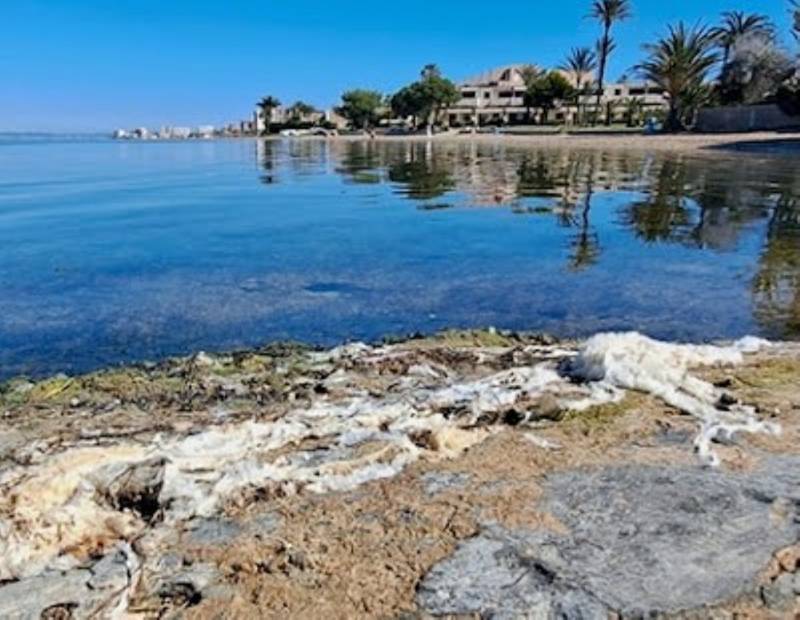
Recently, they have raised fresh concerns over the increasing presence of plastic waste washing up on the beaches of the Mar Menor. They say the problem is becoming more serious every day, and at the moment no one is monitoring the issue.
According to the group, agricultural plastic has become the main source of this plastic waste. The plastic fragments have been found along the shoreline and worryingly through microplastics. These microplastics have been detected in both the water and the marine life living in the lagoon. Their presence now confirms people's worst fears that plastic contamination is embedded in the Mar Menor's ecosystem.
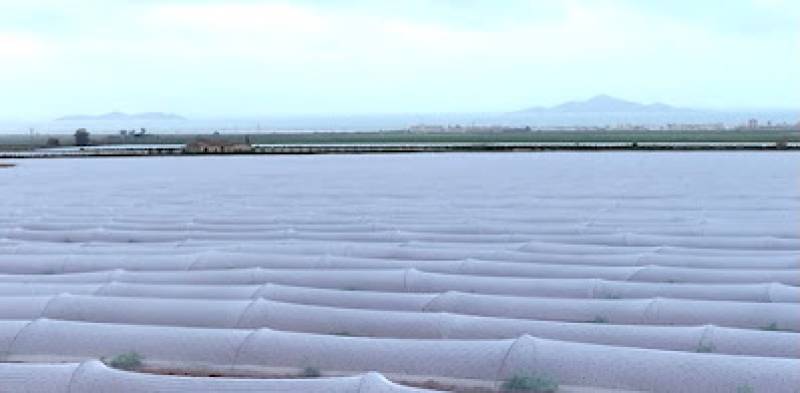
Pacto por el Mar Menor says scientific research points the finger at land-based agricultural plastics as the main culprit of this issue. Materials such as plastic mulching, crop tunnels and greenhouse coverings, mainly made from polyethylene, are particularly problematic.
They explained that agricultural plastic used on farms around the Mar Menor does not fully break down 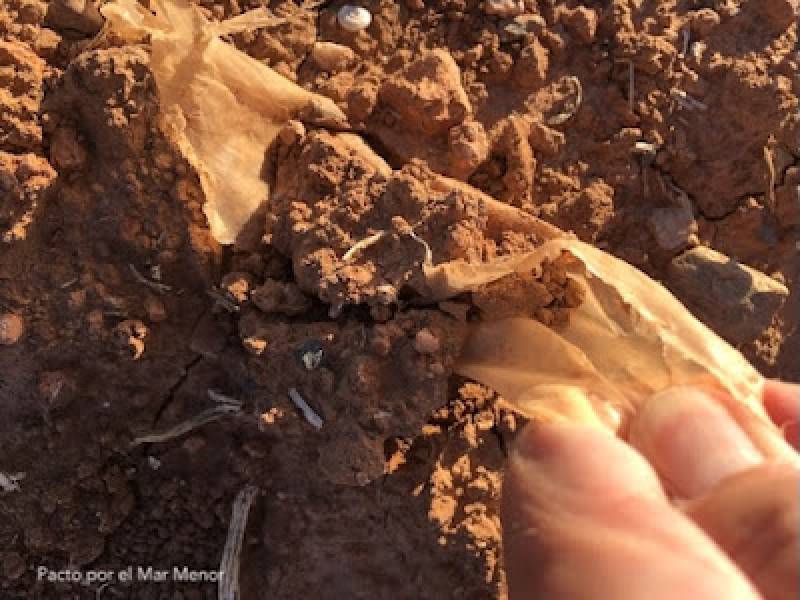 in the Region's dry Mediterranean soils. Instead, sunlight, heat and farming activity cause it to become brittle and fragment into smaller pieces, eventually turning into microplastics. These plastic particles can remain in the soil for years before being washed away by rainwater, drainage channels and ramblas, carrying pollution from farmland directly into the lagoon.
The organisation also questioned the effectiveness of so-called biodegradable plastics, saying they may not fully break down in local soil conditions, meaning they could add to the growing microplastic problem.
The group says tiny plastic particles are already present in the Mar Menor and its marine life, showing that pollution from land is making its way into the lagoon. That doesn't automatically mean eating local fish is immediately dangerous, but it raises concerns about long-term ecosystem health, seafood quality, and what contaminants plastics may carry (some plastics can absorb pesticides or other pollutants).
Microplastics can stress marine ecosystems by being eaten by fish, molluscs and plankton, sometimes causing physical harm or disrupting feeding. If biodiversity suffers, the lagoon becomes less healthy and less resilient.
Pacto por el Mar Menor is calling for stricter controls over how agricultural plastics are used, managed, and disposed of, along with closer monitoring of their environmental impact.
Read also: Mar Menor environmental group condemns heavy pruning of native palm trees in La Manga
Image: Pacto por el Mar Menor