To be listed on the haciendadelalamo TODAY MAP please call +34 968 018 268.
PROPERTY SEARCH
article_detail
Date Published: 26/10/2026
Tropical giants are turning up off the coast of the Region of Murcia
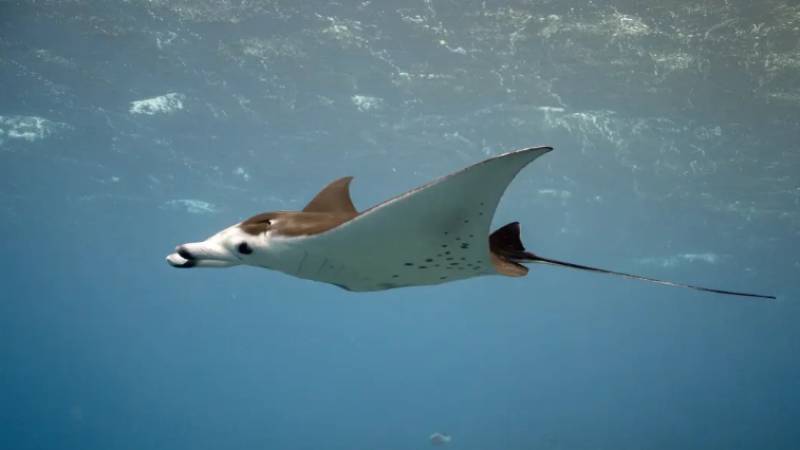
A giant manta ray and a black stingray have been spotted near Cartagena
Two tropical visitors have been spotted off the coast of the Region of Murcia, and a University of Murcia (UMU) researcher says they show how much the Mediterranean is changing as the water warms.
The first is a giant oceanic manta ray, known scientifically as Mobula birostris, which was observed near Cabo Tiñoso, south of Cartagena, in the first record of a live specimen in the Mediterranean.
The second is the black stingray, Taeniurops grabatus, a species with tropical links that’s been confirmed in Cartagena’s waters and has been present on these coasts for at least seven decades, according to marine scientist Víctor Orenes, who was involved in both discoveries.
The findings point to tropical species moving from the Atlantic into the Mediterranean as a result of ocean warming. They also confirm how important the Region’s coastline is for marine life, and Mr Orenes pointed out that there’s still plenty left to discover in its waters.
He keeps track of these changes in three ways. He dives regularly to see the ecosystems first hand, which he explained can’t be replaced by reading or computer models, stays in touch with other professionals and marine enthusiasts who report changes he can’t spot himself, and searches historical archives for species that once lived on the coast and have since vanished. Through that work, he said, he’s seen new species arrive, others disappear and big swings in the numbers of those already there.
Keeping an up-to-date list of what lives in the sea matters, according to Mr Orenes, as it’s the first step in finding out how threats such as exotic species, warming water and overfishing affect wildlife. It also gives the authorities in charge of conservation the information they need to draw up protection plans.
“Knowing what we have, what we are losing, and what is arriving is the starting point for understanding the changes taking place in our seas and acting to protect them,” he said.
The researcher warned that the pace of change is now enormous, with exotic and tropical species spreading while others that can’t adapt decline or disappear. He added that changes aren’t always documented, and that publishing findings in scientific journals and sharing them through the media gives other researchers evidence to build on while sparking public interest in marine biodiversity.