









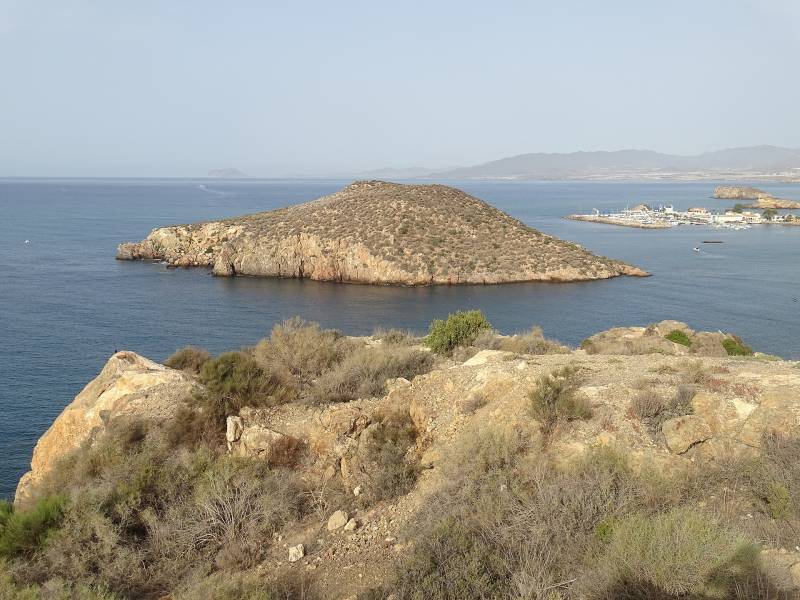










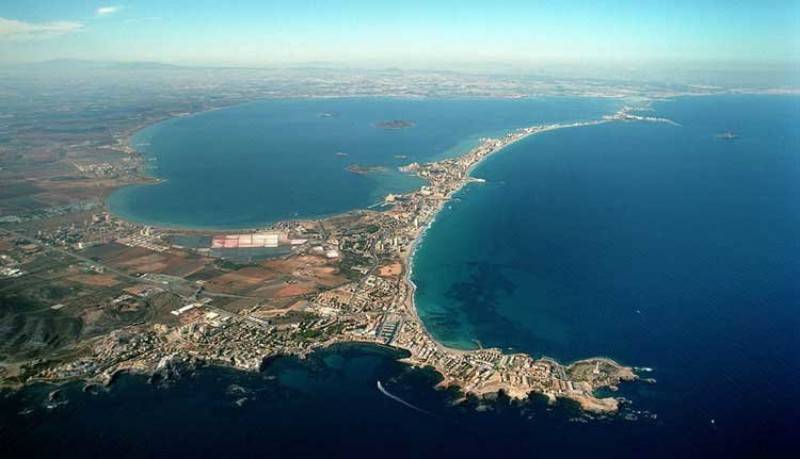
The conviction of three more agricultural business leaders over illegal wastewater dumping has once again drawn attention to the long-running environmental crisis affecting the Mar Menor. This fragile coastal lagoon has spent years battling pollution, algae blooms and mass fish die-offs because of this issue.
These latest rulings bring the total number of convictions in the case to five. The companies operating in the Campo de Cartagena have now admitted environmental offences linked to the Topillo investigation. The Topillo investigation is a long-running legal case looking into illegal wastewater discharges from farms in this area.
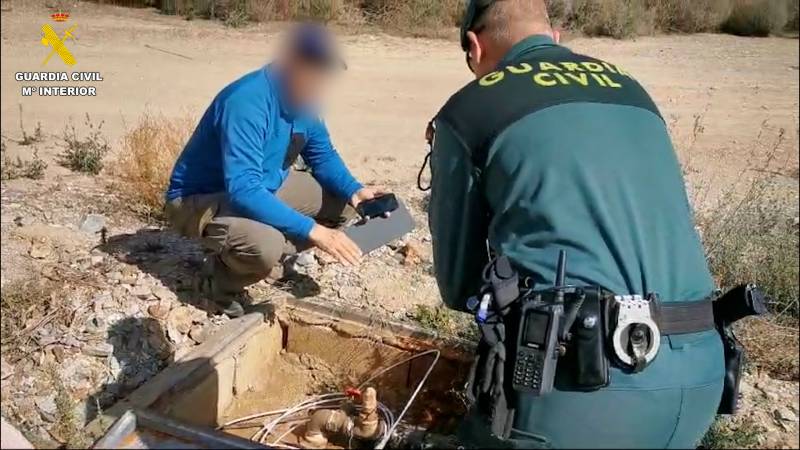
Prosecutors confirmed the cases involved the discharge of nitrate-contaminated wastewater produced by unauthorised desalination systems used to treat groundwater without approval from the Confederación Hidrográfica del Segura (CHS).
These discharges are a serious problem because nitrates act as fertiliser once they reach the lagoon. That triggers excessive algae growth, which blocks sunlight, reduces oxygen in the water and can suffocate marine life. Scientists have repeatedly warned that this nitrate overload is one of the main causes of the Mar Menor’s ecological collapse in recent years.
If nitrate levels become high enough, they can even contaminate drinking water and cause health issues for people who swim or bathe in the lagoon for long periods.
In the most recent cases, courts in Cartagena sentenced two company managers for dumping more than 11,000 cubic metres of wastewater from farmland in Torre Pacheco, while another businessman admitted responsibility for over 70,000 cubic metres discharged between 2014 and 2017. All accepted plea deals that included suspended prison sentences, meaning they will avoid jail time as long as they do not reoffend within a set period, along with fines, temporary bans from managing agricultural businesses, and compensation payments to both the State and the Región de Murcia.
Environmental groups say the growing list of convictions shows authorities are finally holding polluters accountable. But they also stress that restoring the Mar Menor will take years, and preventing further damage is just as important as punishing past offences.
Image 1: Archive
Image 2: Guardia Civil