To be listed on the haciendadelalamo TODAY MAP please call +34 968 018 268.
PROPERTY SEARCH
article_detail
Six rare buttonquail chicks hatch at Jerez Zoo
The first Andalusian buttonquails born through the reintroduction programme offer hope for a species extinct in Spain
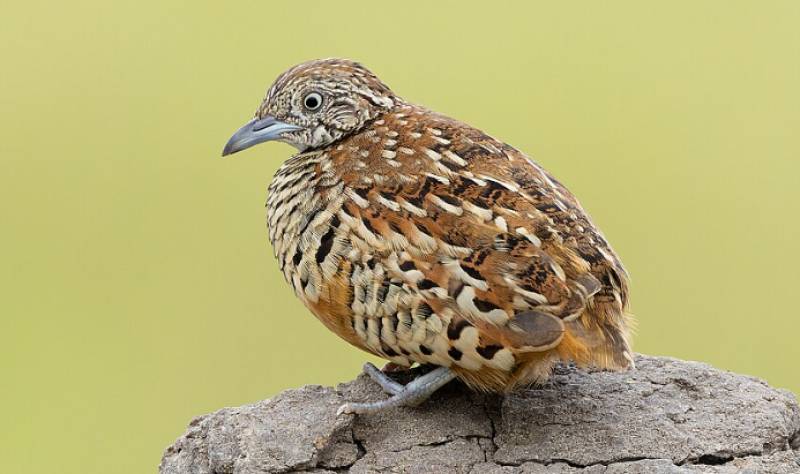
Six Andalusian buttonquail chicks have hatched at Jerez Zoo and Botanical Garden, marking a major moment in efforts to bring back a bird that is extinct in Spain.
The chicks came from the first clutches laid by two females among a group of 18 birds brought from Morocco in September. A seventh egg is still incubating and showing favourable development.
The chicks hatched without intervention between the early hours of Sunday October 11 and the afternoon of Monday October 12. They are now developing well in an incubator with controlled temperature and humidity.
The 18 adult birds arrived from Morocco last month to begin a captive-breeding programme at the Zoobotanical Biodiversity Conservation Center in Jerez de la Frontera.
Their adaptation has been described as very favourable. Within a month and a half, two females laid their first clutches, with four eggs in one enclosure and three in another.
All seven eggs were artificially incubated under conditions tailored to the species. Technicians monitored embryonic development using candling twice a week, took biometric measurements and preserved samples for future research.
Each chick has an identification ring so staff can follow its growth and development. The records will help with genetic management, future pairings and preventing inbreeding.
During their first days, the chicks are fed every 30 minutes, mainly on mealworms and small crickets. Staff record how many pieces each bird eats. As they grow, their diet will gradually include canary seed mix, insectivorous bird feed, carrots, leafy greens and millet.
Cameras have also been installed around the incubator and chick enclosures, allowing staff to monitor hatching, adult behaviour and the chicks’ development.
The Andalusian buttonquail disappeared from Spain and survives in only a small population in Morocco. The breeding programme aims to create a healthy population with enough genetic variety to support future releases.
Once a strong breeding group is established in Jerez, its offspring could take part in future conservation projects and be reintroduced to selected areas along the Andalusian coast.
At least four further campaigns are planned in Morocco over the coming years to expand the breeding group and protect the species’ genetic diversity.
The Junta de Andalucía described the births as “a new beginning for the species.”




















 Six Andalusian buttonquail chicks have hatched at Jerez Zoo and Botanical Garden, marking a major moment in efforts to bring back a bird that is extinct in Spain.