Date Published: 18/08/2026
A €281 million plan to save the Mar Menor takes a completely different approach to those that came before
Rather than focusing on the lagoon itself, a new 16-year strategy targets the entire watershed that feeds it, from mountain ravines to the coastline
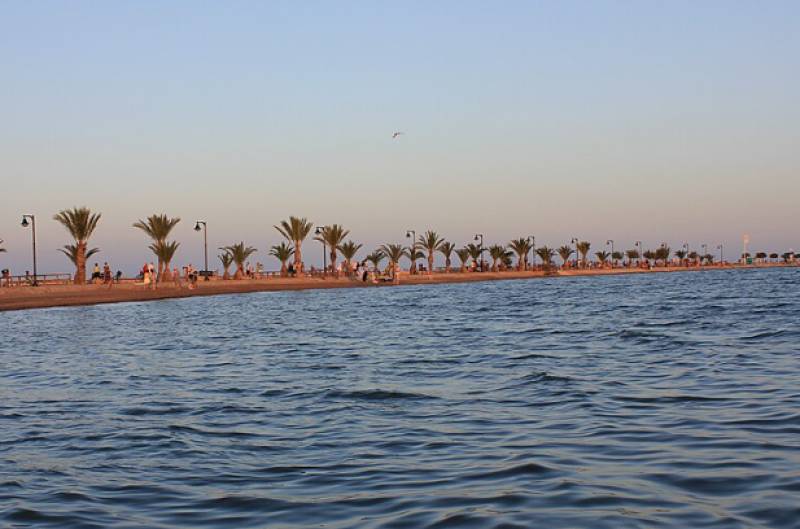
Anyone who lives near the Mar Menor, or has watched its fortunes over the years, knows that previous attempts to address its ecological problems have struggled to get to the root of the issue. A new plan published by the regional government is taking a fundamentally different approach, and the scale of ambition behind it is considerable.
The Hydrological-Forestry Management Plan for the Mar Menor Watershed proposes an investment of more than €281 million across 48 separate actions over the next 16 years, covering a total area of 1,215.5 square kilometres. The key shift is in thinking. Rather than treating the lagoon as the starting point for intervention, the plan traces the problem back to its source: the ravines, hillsides and agricultural plains that channel water, sediment and nutrients into the Mar Menor every time it rains heavily.
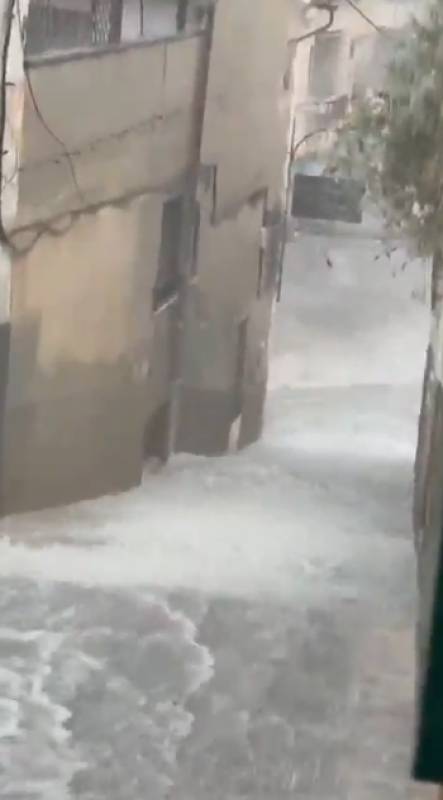
The diagnosis is clear and widely shared by the scientific community. Decades of coastal development, agricultural intensification, alterations to riverbeds and runoff from the Sierra Minera mining district have progressively degraded the lagoon's condition. Each episode of heavy rainfall carries more material into the water than the ecosystem can absorb. The plan's goal is to slow that process at every stage of the journey, from stabilising slopes and restoring vegetation in the upper reaches of the basin to transforming dry riverbeds into corridors capable of retaining sediment before it reaches the shore.
The old mining district around Cartagena and La Unión is identified as a particular priority. Legacy mining operations continue to mobilise materials during heavy rainfall, especially towards the Beal River basin, and the plan incorporates targeted action to stabilise slopes and reduce sediment flow from this area.
Climate change adds urgency to all of this. The plan warns that rising temperatures, more frequent torrential rain events and advancing desertification will increase the pressures on the lagoon in the years ahead, making intervention now more important rather than less.
The strategy fulfils a requirement of the Mar Menor Recovery and Protection Law passed in 2020, and has now completed its environmental assessment. What follows is a 16-year implementation phase in which the 48 planned actions will need to be converted into specific projects, funded and coordinated across local, regional and national administrations.
It's a long road, but it's the most comprehensive attempt yet to address what has been going wrong.
Image: wikicommons
article_detail

|