












Spanish News Today Editors Roundup Weekly Bulletin Jan 23
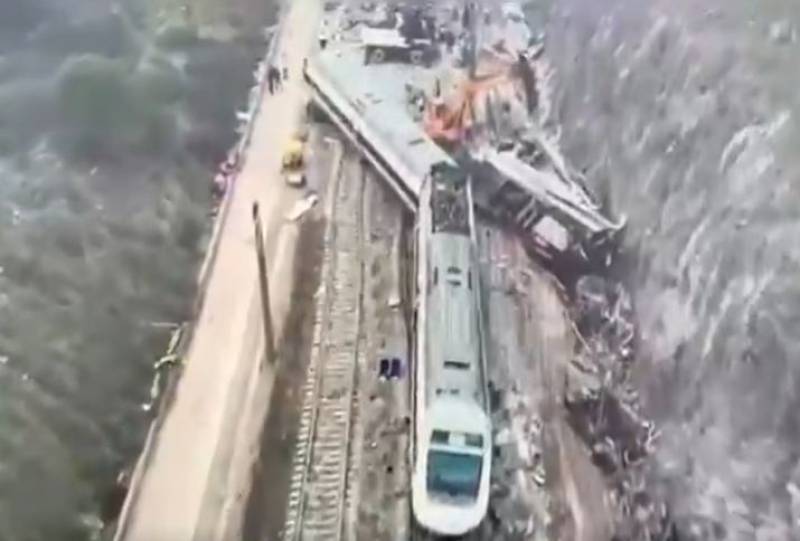
There is only one major news story to talk about this week in Spain, a story which has made headlines around the world and which continues to frighten as more details emerge and more incidents occur with each passing day.
We’ll do our best to give you the lowdown here on the series of train accidents in Spain this week, including its causes and knock-on effects, but there could well be more updates tomorrow and in the coming days, which we will report on from our homepage www.spanishnewstoday.com.
The week that Spain was plagued by train accidents
#AccidenteFerroviario | Continuamos con los trabajos de investigación y retirada de los trenes accidentados en #Adamuz.#AccidenteFerroviarioAdamuz #descarrilamiento pic.twitter.com/50BETkPO9J
— Guardia Civil (@guardiacivil) January 21, 2026
1. The train accidents and their human toll
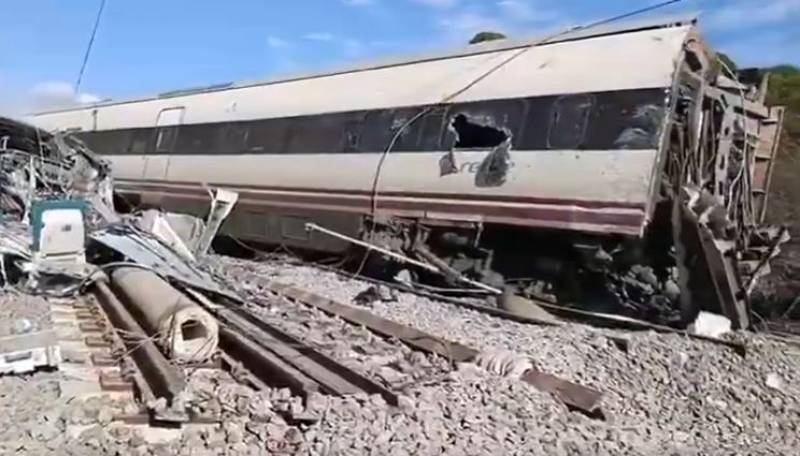
It all began with the catastrophic high-speed train crash near Adamuz, in the province of Córdoba (Andalucía), on Sunday January 18. The accident involved an Iryo high-speed service travelling from Málaga to Madrid, which derailed and collided with an oncoming Alvia train heading from Madrid to Huelva.
The official death toll has now been confirmed at 45, following the identification of the last missing passengers this Thursday. A total of 152 people were injured, with 41 remaining in hospital, including 12 in intensive care. It was the worst, most fatal train accident in Spain for over a decade.
Rescue operations included sniffer dogs to try to find anyone who may br trapped in the wreckage, but this was complicated by the severe deformation of the Alvia carriages, several of which plunged down an embankment.
#AccidenteFerroviario | La Guardia Civil trabaja con perros especialistas en búsqueda de restos y evidencias para la identificación de todas las víctimas e investigación del accidente ferroviario en #Adamuz#AccidenteFerroviarioAdamuz #descarrilamiento pic.twitter.com/qQvFQkjdgv
— Guardia Civil (@guardiacivil) January 20, 2026
Among the victims, the case of a six-year-old girl who survived the crash but who was orphaned when she lost both parents, her brother and a cousin drew the most attention, but there is no shortage of horrendous personal tragedies, losses and near misses. You can just imagine what they must have experienced on that train – both those who died and those who survived.
The country declared three days of national mourning, with flags lowered across the country and official events restricted. That period has already ended, but the wounds and the backlash from the accident are only just beginning.
While the country was still reeling, just two days later, a second fatal accident occurred in Gelida, near Barcelona, when a retaining wall collapsed onto a Rodalies commuter train during heavy rainfall.
The train driver was killed and 41 passengers were injured, five of them critically. Rail services across the Rodalies network were suspended pending inspections. On the same day, another Rodalies train derailed after striking a rock that had fallen onto the tracks, though no injuries were reported.
Further incidents followed in quick succession. In Cartagena (Murcia), a FEVE narrow-gauge train collided with a crane, leaving six people with minor injuries. In Asturias, a commuter train was damaged by falling rocks at the exit of a tunnel, this one without any injuries.
Additional disruptions were reported in Córdoba province after a wall collapsed between Villa del Río and Montoro due to water accumulation, forcing the suspension of services between Córdoba and Jaén.
While several of these incidents were minor compared with Adamuz and Gelida, the sheer scale and speed of how close together they are all occurring has raised serious concerns over rail safety nationwide.
2. Investigation, infrastructure and network disruption
#AccidenteFerroviario | Labores de supervisión de desescombro de los trenes accidentados en #Adamuz.#AccidenteFerroviarioAdamuz #descarrilamiento pic.twitter.com/BQaJQtUyag
— Guardia Civil (@guardiacivil) January 20, 2026
The Adamuz crash is now considered one of the worst rail disasters in Spain’s history. As for what caused the crash, investigators have largely ruled out excessive speed or driver error, pointing instead to a possible infrastructure failure or mechanical defect. Experts note that the derailment occurred on a straight section of track renovated only months earlier and that the first carriages passed without incident, suggesting a sudden failure affecting either the track or a specific carriage component.
Most of the investigators’ attention is focused on potential micro-defects in the rails, fatigue caused by heat and vibration or a failure at a switch point, which experts describe as one of the most vulnerable elements of railway infrastructure.
Reports submitted to parliament indicate that this section of line had previously experienced issues related to high temperatures and vibrations, which had been flagged by technicians and drivers.
High-speed services between Madrid and several cities in Andalucía remain suspended, affecting more than 200 trains per day. Authorities estimate that regular services may not fully resume until early February, pending the removal of the wreckage and detailed infrastructure inspections.
In the meantime, Renfe has implemented alternative transport plans and passengers are entitled to refunds or rerouting under EU regulations, although compensation will depend on the final determination of liability.
Two large storms, Harry and Ingrid, have left heavy rain and snow across parts of Spain, and the succession of weather-related rail incidents, including landslides and wall collapses, just serves to bring to light further evidence of the apparently shocking state that the country’s rail network – previously thought to be one of the best in the world – is labouring under.
3. Strike action and demands from train drivers
 Against this backdrop, train drivers across Spain have called a three-day general strike from February 9 to 11. The action has been announced by the Spanish Union of Railway Drivers, Semaf, and will affect all rail operators nationwide. The union says its members are devastated by the accidents and accuses authorities of allowing a sustained deterioration of railway infrastructure and rolling stock.
Semaf has stated that three train drivers lost their lives in the recent accidents (one of them was travelling as a passenger, not working), and it has announced its intention to seek criminal accountability from those responsible for safety oversight.
The union is demanding urgent safety guarantees before services can resume, particularly in Catalonia and Andalucía, and calls for clear protocols for extreme weather events. Semaf also insists that drivers must receive explicit confirmation from traffic managers that routes are safe before operating services. Acknowledging the psychological impact of the recent tragedies, the union has advised drivers who feel unable to work to notify their supervisors.
The strike is a serious reflection of tensions within the railway sector, with train drivers obviously incredibly angry that they feel their warnings about safety issues on several stretches of track around the country have been ignored time and again.
Meanwhile, passengers are scared to travel by train, even though logically and statistically it is still more dangerous to travel by car, but the Spanish government will have an uphill battle now to appease railway workers, calm the public’s fears and, crucially, ensure the safety and security of the nation’s rail network in future, so that tragedies like those that happened this week are never repeated. Isn’t it sad that we only learn and act on these things after it’s too late and people have already suffered or died?
Murcia
On a much lighter and more colourful note, now, Murcia experienced something earlier this week that few people ever expect to see so far south: the northern lights. Late on Monday night and into the early hours of Tuesday, a strong solar storm pushed the Aurora Borealis well beyond its usual Arctic home, lighting up skies across parts of southern Spain.
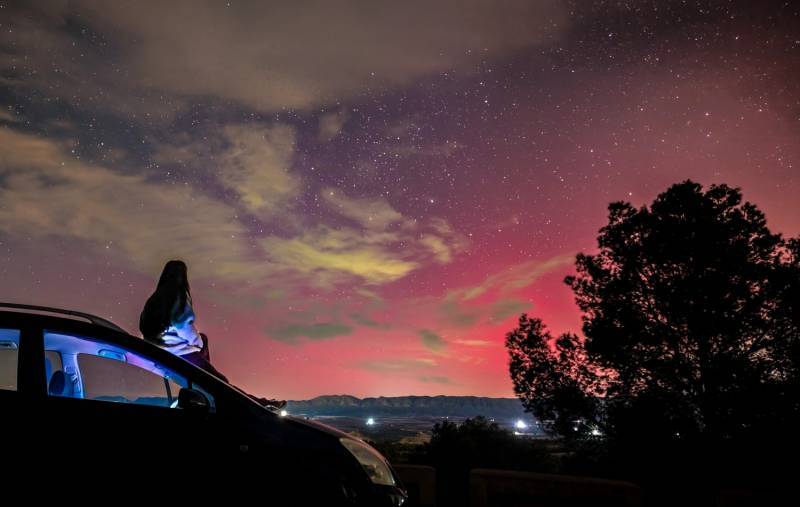
Sightings were reported in places such as the Cieza and Moratalla countryside, where low light pollution made the colours easier to see. By the following morning, social media was awash with images showing faint greens and reds stretching across the horizon, captured by photographers who realised they were witnessing a rare moment.
Scientists say the display was linked to the Sun approaching the peak of its 11-year activity cycle, when powerful flares and solar storms are more common. While such storms can interfere with satellites and aviation systems, for most people on the ground the only noticeable effect was the chance to enjoy a light show normally reserved for much more northerly latitudes.
Also this week, the Guardia Civil dismantled a criminal gang behind a large-scale fake pet scam that affected Murcia among many other provinces. Operation Magna-Vallis uncovered a family-based network that tricked at least 121 victims into paying to purchase animals that did not exist, often starting with modest sums and then demanding more money for supposed vaccines, transport or microchips.
Payments were typically made via Bizum (direct to phone number) or bank transfer, and the gang used multiple phone lines, bank accounts and false identities to avoid detection. In total, it’s estimated that they stole more than €36,000 from their unsuspecting victims. A word to the wise when buying pets online: only use authorised breeders, be wary of prices that seem too good to be true and never let yourself be pressured into advance payments.
Another gang, this one operating around the Mar Menor and specialising in home break-ins, was also taken down this week. Thirteen people aged between 16 and 45 have been arrested in connection with 25 thefts and break-ins across San Javier, San Pedro del Pinatar and as far as Orihuela. The group targeted homes and businesses, often entering through unlocked doors or open windows when properties were empty, and stealing small, easily resold items such as jewellery and electronics.
Organised gangs who scope out potential targets are a real and regular occurrence around these parts, so if you know you’re going to leave your property empty for any length of time, be sure to have security measures in place – cameras, alarms, a trusted keyholder, etc.
San Javier was also the scene of a tragic accident last week when a 79-year-old woman died after being run over by her own car during a roadside assistance call in the Roda area. According to police, a tow truck driver who was attempting to help start the vehicle didn’t realise she had left it in gear, causing it to lurch forward and fatally injure the woman, who was standing in front.
Emergency services attended quickly, but she was pronounced dead at the scene. Authorities have confirmed the incident is being treated as a tragic accident, with no suggestion of criminal intent.
It’s not all bad news, though. There has been some positive local news for residents and visitors in La Manga del Mar Menor thanks to the opening of a new local police station. Located at kilometre 6.5 of the Gran Vía, the facility is now operational 24 hours a day. Until now, police had to travel from San Javier town, sometimes slowing response times, but the new station is slated to remedy this and is also expected to grow to a team of 18 full-time officers.

While new police stations are opening, however, more and more bank branches are steadily closing down. Over the past ten years, Murcia has lost around 42% of its physical banks, leaving some towns with no branches at all and forcing residents – often the elderly who are less inclined to use online banking services – to travel elsewhere for basic services.
Consumer groups have warned that while digital banking brings convenience, it risks excluding those without the skills or technology to use it, and, although Spain’s new customer service law aims to improve support for vulnerable users, it doesn’t necessarily stop banks from going ahead and closing down branches that are not ‘profitable’ for them.
Local councils are trying to step in now, to try to explore alternatives such as limited in-person services or shared facilities, but it’s not easy for public institutions to force the private banking enterprises to do something they don’t want to do. The best advice is to learn how to use your banking app, I’m afraid.
As for events coming up around the Region, we’re nearly in February already, which means Carnival time! In Cartagena, the Carnaval 2026, an event which attracts visitors from across southern Spain and holds status as an activity of Regional Tourist Interest, falls on Valentine’s Day – a perfect chance to enjoy a romantic trip out with a difference to see the colourful costumes, parades, music and lively atmosphere in the city, lasting late into the night. You can even get a guided evening trip in several European languages that includes convenient pick-ups by coach to remove all the hassle of driving and parking, so you can focus more on just enjoying the spectacle. Consult Raquel Tours for more information.
Remember to see our EVENTS DIARY for more events and activities coming up soon in the Region of Murcia:
Spain
As well as Carnival, the 2026 income tax campaign is nearly upon us, with the Declaración de la Renta officially kicking off on April 8. As always, workers and pensioners need to declare their income and settle any taxes owed, but not everyone has to file a return thanks to a series of exemptions and thresholds built into Spanish tax rules.
For pensioners, the situation is fairly straightforward if you’re receiving income from just one source. Pensions count as employment income for tax purposes, and the general rule is simple: if you’re getting less than €22,000 gross per year from a single payer, you don’t need to file. That covers most retirees who receive only one public pension and have no other significant income coming in.
Things get trickier when there’s more than one payer involved, which happens when a public pension is combined with supplements or other benefits. In those cases, you’ll still be exempt from filing as long as the total received from the second and subsequent payers doesn’t go over €1,500 per year, even if your overall income stays below €22,000.
Once you cross that €1,500 line, the threshold drops sharply. At that point, you’re only exempt if your total employment income doesn’t exceed €15,876 per year.
Even if your pension income stays comfortably below the main limits, certain additional earnings can still trigger the obligation to file. For instance, if you’ve received more than €1,600 per year in income from movable capital or capital gains subject to withholding, like interest or investment returns, you’ll need to submit a return.
The same applies if you’ve had a combined total of more than €1,000 per year from sources such as imputed income from property ownership, income from movable capital not subject to withholding (including Treasury Bills), subsidies for officially protected housing or other public benefits.
Some pensions are completely exempt from income tax and never need to be declared under any circumstances. These include pensions for total permanent disability and severe disability, where the recipient is unable to carry out any form of employment, as well as orphan’s pensions.
Ultimately, whether you need to file doesn’t depend solely on receiving a pension. It comes down to your overall financial situation, including how many payers you have and any additional income you’ve received during the year.
If you’re unsure, it’s worth checking the details carefully or getting professional advice before the April 8 start date to avoid mistakes, penalties or missed refunds.
 In news that the hospitality industry has long been dreading, it’s almost time to say goodbye to those little packets of ketchup, sugar and salt that clutter up restaurant tables across Spain. From August 12, bars and restaurants will be banned from using single-serving sachets for sauces, condiments, oil, vinegar and pretty much anything else that currently comes in tiny plastic packets.
The change is down to new EU rules aimed at slashing plastic waste and pushing businesses towards more sustainable practices. The regulation, known as the Packaging and Packaging Waste Regulation (PPWR), has been in the pipeline for a while but now there's finally a firm date.
Restaurants and bars will be first to comply, but the timeline extends much further. By 2030, the ban will spread to other sectors including hotels, which will have to ditch those miniature shampoo and shower gel bottles in favour of fixed, refillable containers. Cosmetic products and food packaging will also be affected.
There is one big exception though. Single-serving sachets will still be allowed for food delivery orders, with the EU citing hygiene and transportation reasons for the exemption. So restaurants can keep stocking the packets as long as they’re only used for takeaway meals. The same exception applies to healthcare and care facilities. When you order that Saturday night curry, make sure you save any unused ketchup or mayo for later.
In 2032, the European Union will review the whole scheme to assess its environmental and health impact, covering not just the sachet ban but also regulations on disposable tableware and the hotel sector’s switch to refillable containers. Officials will use the findings to make improvements or adjustments, with the overall focus remaining on reducing waste that currently makes up the bulk of solid refuse across Europe.
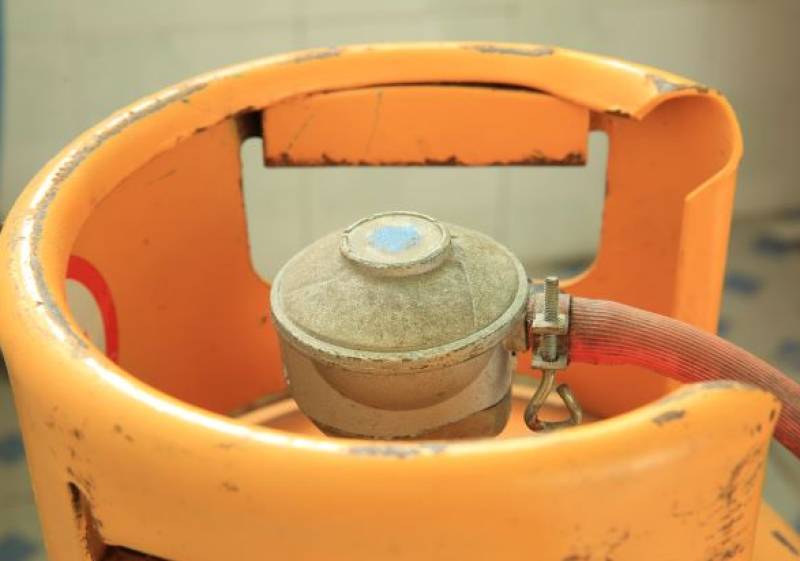 Meanwhile, the price of a traditional butane gas cylinder has gone up again in Spain, bringing an end to the brief relief many households felt late last year. From Tuesday, the maximum retail price of a standard butane cylinder rose by 0.7%, setting the new price at €15.58.
According to sources from the Ministry for Ecological Transition and the Demographic Challenge, the rise is mainly down to higher costs behind the scenes, with freight up 5.1% and raw materials up 3.8%, and the euro depreciating slightly against the dollar.
Although the rise is relatively modest, it’ll still be felt by many older residents and rural households who rely on bottled gas for cooking, hot water and heating, particularly in areas not connected to the natural gas network. That said, the current regulated price of €15.58 is still lower than it was last summer, when it sat at €16.27 before dropping by 5% in November.
Alicante
A British tourist has been killed in a motorway collision near El Campello after being thrown from a car. He wasn’t wearing a seatbelt. The 54-year-old man died instantly when the Nissan Qashqai he was travelling in was shunted off the A-70 and into the central barrier on Friday evening around 7pm.
The incident happened just beyond the Sant Joan tunnel on the Valencia-bound carriageway when a BMW ploughed into the back of the Qashqai carrying four British holidaymakers. The force of the impact sent the car careering off the road and the victim, who hadn’t buckled up, was flung from the vehicle. The three other passengers walked away without injury, as did the two people in the BMW.
Emergency crews rushed to the scene but couldn’t do anything to save him. The BMW driver, a 20-year-old British woman called Madison V., passed roadside tests for drink and drugs. She’s now being investigated for reckless homicide as police piece together what happened, looking at everything from vehicle speeds to road conditions.
So far, so tragic but so familiar. But this is where things get murky. The case has drawn extra interest locally because of who’s involved. Madison V. is in a relationship with a Northern Irish man currently under investigation for the fatal shooting of John George in Rojales last December. He’s out on bail while that inquiry continues.
She’s also got form with the Spanish authorities. Back in September, police stopped her in Torrevieja and found nearly a kilo of methamphetamine in the car. Then in December, she was picked up again in Orihuela Costa when officers discovered two loaded guns in a vehicle she was in. Both times she was bailed and released.
Investigators are now going through the details of Friday’s crash, speaking to witnesses and working out exactly what the two cars were doing in the moments before impact.
Elsewhere in Alicante, anyone planning a morning stroll through El Palmeral Park next week will need to find somewhere else to go. The popular seafront green space in San Gabriel is shutting its gates from 9am to 3pm between Monday and Friday while workers tackle maintenance on the park’s 7,000-plus palm trees.
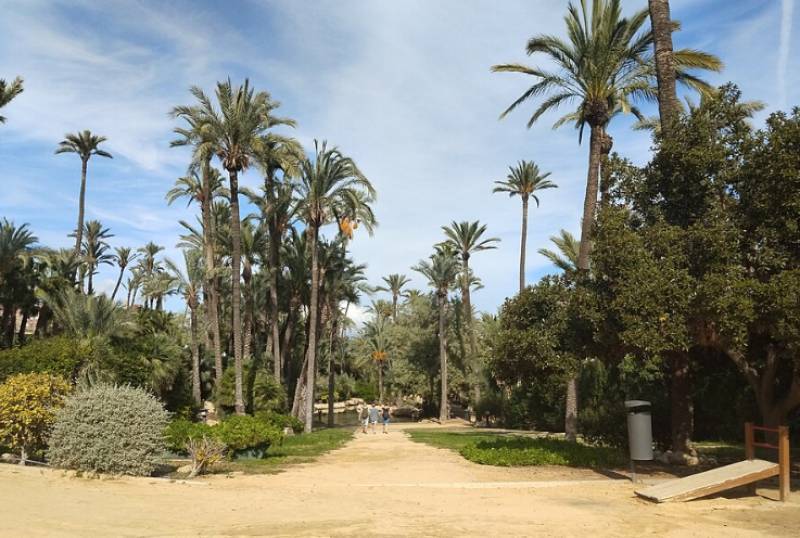
The closures are needed to get the heavy machinery in and out without putting visitors at risk. Basket trucks will be moving around to reach the tops of the tall date palms, and ground crews will be clearing fallen branches and tweaking the irrigation setup. It’s all routine stuff to keep the trees healthy and stop any dead wood becoming a hazard. The park will open again each afternoon and stay accessible until its usual 11pm closing time.
El Palmeral only fully reopened last April after a €1.3 million makeover that turned it into a proper family destination. The second phase brought in new playgrounds, outdoor gym equipment and a pump track for bikes and scooters, plus upgrades to the roads, lakeside paths, signage and perimeter fencing. The Brota Alicante project also added hundreds more palms and other plants to fill out the greenery.
And finally, the wait is nearly over for anyone desperate to sink a cheap pint at Alicante Airport. Wetherspoon has locked in the opening date for its first ever continental European pub, and you’ll be able to order your first drink on Monday February 9 from 11am.
The Castell de Santa Bàrbera, named after Alicante’s hilltop castle, will sit airside in the departures area so passengers can have a drink and a meal before boarding. It’ll be open seven days a week from 6am to 9pm, giving early-morning flyers the chance to tuck into a full English before their gate’s even been announced.
 The pub will have nearly 1,000 square feet of space spread across one floor, plus an outdoor terrace with seating. Food will be served right up until 8pm, an hour before closing. The menu is supposed to feature the usual Wetherspoon staples like breakfasts, burgers and pizzas, but with a Spanish twist. Expect to see gambas al ajillo and tortilla de patatas sitting alongside the curry club and mixed grill.
Wetherspoon founder and chairman Tim Martin said, “We are very much looking forward to opening our first pub in Spain. We believe it will be popular with a wide range of customers, including those travelling home to the UK and those using the terminal for other destinations.”
He added, “We aim to open a number of pubs overseas in the coming months and years, including those at airports.”
Andalucía
It’s been a wet sort of week, but previous storms in Andalucía are also getting attention. Damage to roads in Málaga province have been causing headaches for drivers, prompting a swift €730,000 emergency fix on five battered rural roads.
Three routes in the Guadalhorce Valley and two in the Serranía de Ronda took the brunt, with a mix of landslips, embankment collapses, drainage failures, cracks in the carriageway, rockfalls and fallen trees making them hazardous for locals trying to get about.
Provincial Council president Francisco Salado praised the Roads and Works department for moving fast once the damage was assessed, explaining that the first job was always to reopen the roads to traffic, followed by “the necessary repairs” to make them safe for the long haul.
All the contracts were rushed through as emergency procedures, which should mean traffic gets back to normal soon and drivers can breathe easier traffic can flow safely again.
From soggy roads to slippery decks, a Cádiz docking has sparked a legal row that’s got everyone chatting.
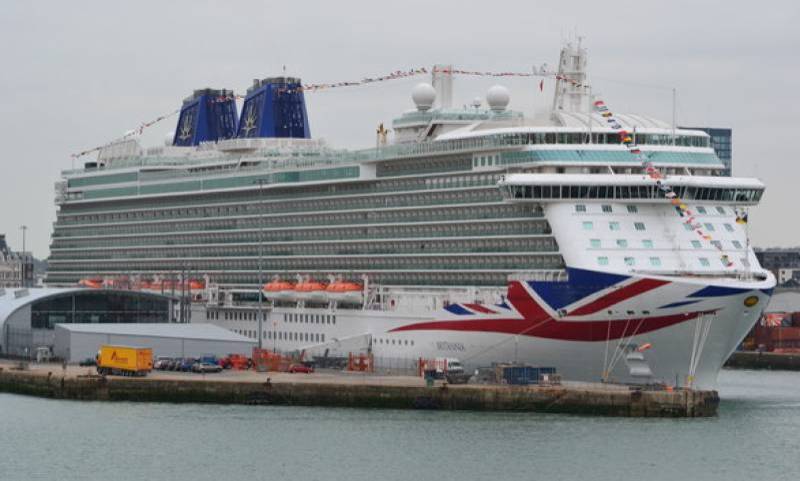 Former P&O Cruises HR manager Kerry Middleton, 52, is suing Carnival Plc for £9.7 million after slipping in a ship toilet on the MV Britannia back in October 2019, while it was berthed in Cádiz for a management meeting.
She fractured a neck bone’s spinous process, leading to acute pain and later a functional neurological disorder (FND) diagnosis, with symptoms like weakness, seizures, tremors, fatigue, blackouts and heavy wheelchair use.
Her barrister Eliot Woolf KC told the High Court, “The severity of her FND symptoms have progressed such that she is now primarily a wheelchair user when mobilising.”
Carnival admits liability for the fall but disputes the massive claim, arguing FND, often stress-triggered, stemmed from a poor “below standard” performance review around then, not the injury itself.
To support their defence, they have secret New Year’s Eve 2024 footage through her kitchen window showing her “moving freely... cheerful and happy with her family,” walking round the island sans disability… just four months before she told a doctor she couldn’t walk.
Carnival’s James Todd KC highlighted it as proof, despite her team’s protests over an “ambush” on her privacy. Judge Tim Moloney greenlit the video last week, while the trial has been delayed for expert reviews.
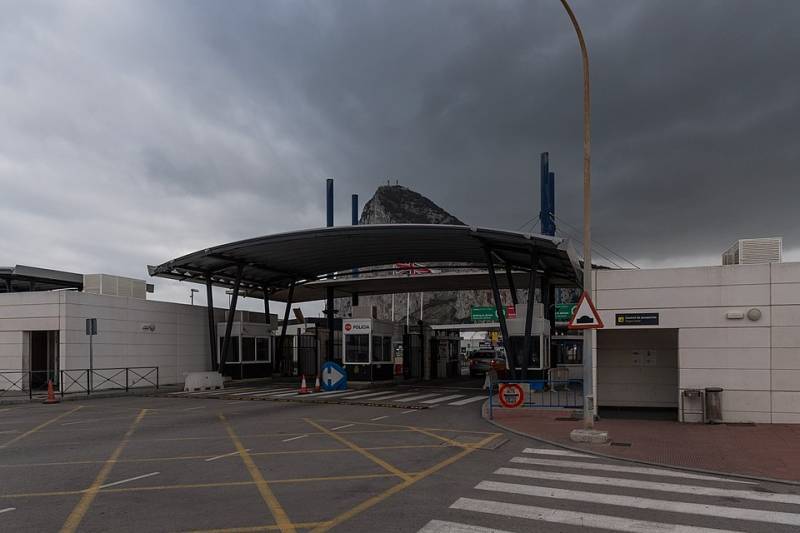
And lastly, months after that big political agreement last June between the EU, Spain, the UK and Gibraltar, the Rock’s border fence is still standing tall, much to everyone’s growing frustration.
The deal was meant to smooth free movement, tie the crossing into Schengen and the single market, and sort out taxes, labour rules, plus much more, with whispers of eventually pulling down the fence altogether. But the treaty text is nowhere in sight, and no firm start date has yet been dropped.
Gibraltar’s Chief Minister Fabian Picardo sounded upbeat in his New Year address, saying “the negotiation phase of the Treaty between the United Kingdom and the EU has finally concluded” and calling ratification “the final step.” Still, at ground level, it’s a different story.
Darren Cerisola of the Cross-Border Group admits there’s “a sense of calm” since things are moving, but “uncertainties, the anxieties, those still exist”. The Gibraltar Chamber of Commerce is cautiously positive, with president John Ísola noting “the alternative would have been very negative”.
Over in La Línea de la Concepción, Mayor Juan Franco reckons early timelines were pie in the sky: “When it was announced that the matter would be resolved by autumn, I felt that was a very rushed timeframe.” We’ll see.
You may have missed…
- Spain will be Europe’s fastest growing major economy in 2026, according to IMF.
Spain is expected to be the fastest growing large economy in Europe in 2026, according to new forecasts from the International Monetary Fund. The IMF has upgraded its growth prediction for Spain’s economy to 2.3%, placing it ahead of all other European countries and second only to the United States among advanced economies. - DGT cracks down on WhatsApp checkpoint alerts.
If you’re in one of those WhatsApp or Telegram groups that ping alerts about police checkpoints, it might be time to think again. The DGT has launched a determined effort across Spain to identify and shut down groups that tip off drivers about mobile radar positions. - Brit activists take to UK streets in march against cruelty to hunting dogs in Spain.
UK dog lovers join Europe-wide demonstrations calling for an end to hunting dog abuse in Spain. - Musk polls fans on buying Ryanair in O’Leary Wi-Fi feud.
There has been a petty public row between Elon Musk and Ryanair CEO Michael O’Leary over using Starlink Wi-Fi (Musk’s satellite internet service) for the airline’s planes, which has culminated in Elon saying he wants to buy the Irish airline! - British tourist dies after sea rescue at Tenerife beach.
A 75-year-old British holidaymaker who celebrated his birthday less than two weeks ago died this week following a rescue from the sea at Playa del Duque in Costa Adeje, south Tenerife.
And that’s the end of this week’s Editor’s Roundup Weekly Bulletin. Thanks for reading and we’ll have another for you next week.
’Til then!