To be listed on the haciendadelalamo TODAY MAP please call +34 968 018 268.
PROPERTY SEARCH
PROPERTY SEARCH
article_detail
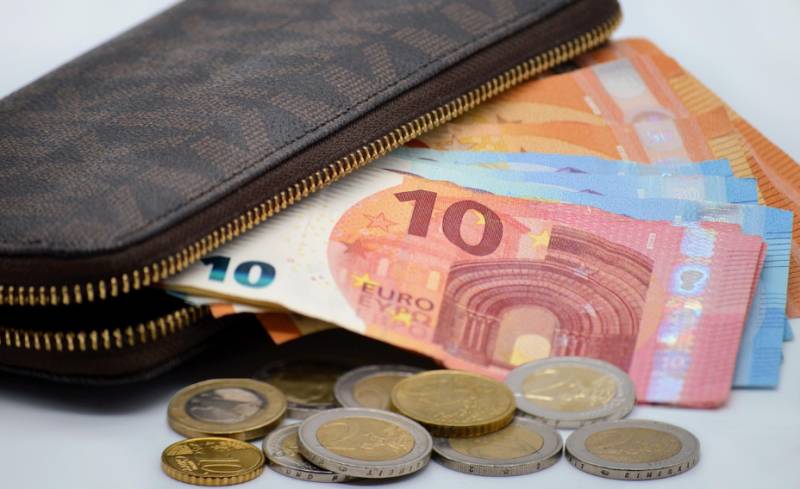
Spain's minimum wage set to rise 3.1% to €1,221 per month as government signs off on increase
The pay increase will be backdated to the start of the year for minimum wage earners across Spain
We’re already half way through February but the news Spain’s minimum wage earners have been waiting for is finally here. On Monday February 16, President of the Government Pedro Sánchez will sign on the dotted line to increase the minimum wage by 3.1% in 2026, following lengthy negotiations between the Ministry of Labour and the unions.
The proposed increase of €37 gross per month was rejected by the employers' association CEOE-Cepyme, which pulled out of the negotiations after the government failed to include its request to update contracts signed with the Public Administration in line with the SMI increase. The employers' absence from the signing ceremony highlights the ongoing tensions between business groups and the government over wage policy.
Minister of Labour Yolanda Díaz is hoping to approve the increase as soon as possible, presumably before the end of February. Crucially, the increase will be retroactive to January 1, 2026, which means workers on minimum wage will receive back pay for January and February once the royal decree comes into force.
Raising the SMI is at the discretion of the government after consulting with social partners and is established annually by royal decree, a measure that doesn't require ratification by Congress. This means the government can push through the increase without needing parliamentary approval, streamlining the process but also potentially adding to the frustration felt by the employers' association at being sidelined.
For workers currently earning minimum wage, the increase works out at an extra €518 per year, which should provide some relief in the face of ongoing cost of living pressures, although whether it keeps pace with inflation and rising prices remains a point of debate.