










PROPERTY SEARCH

Spain announces biggest shake-up of its elderly care system in nearly two decades
Funding is set to double by 2027, waiting lists should shrink, and new services will help dependent people stay in their own homes for longer
 If you have an elderly relative in Spain, or are quietly thinking ahead to your own future care needs, this week's government announcement deserves your attention. The Council of Ministers has approved a royal decree-law that represents the most significant overhaul of the country's dependency care system since the original Dependency Law was first passed, with more money, shorter waiting lists and a genuine shift in how care is delivered.
The funding increase is substantial. An additional €2.218 billion is being injected into the system this year, with the State's total contribution set to reach €7.239 billion by 2027, double what was being spent in 2025 and the largest single increase the system has ever seen.
For families already navigating the system, the changes to monthly payments will be the most immediately tangible. From July 1, those caring for or supporting someone with the highest level of need, classified as Level III dependency, will see state funding rise from €290 to €660 per month, a rise of 128%. Level II payments will double from €130 to €260, while Level I recipients will see a modest increase from €76 to €90.
For those already exploring what financial help is available, there are already support options open to families caring for elderly relatives in Spain, from monthly carer payments to pension protection and home adaptation grants. This new reform builds considerably on all of that.
Beyond the figures, the practical changes are arguably just as important. A new loan and temporary transfer scheme will give families access to assistive devices such as electric wheelchairs, walkers, adjustable beds and voice assistants, without having to meet the full cost themselves. Personal assistance is also being strengthened, with support tailored individually to each person's needs rather than following a one-size-fits-all model.
Home care is being expanded in a way that many families will welcome. Carers will no longer be limited to providing support inside the home; they will also be able to accompany dependent individuals outside, whether that means a trip to the doctor, doing the shopping or simply getting out of the house.
This sits within a wider shift that has been reshaping elderly care in Spain in recent years, with growing demand for flexible, home-based solutions that allow people to stay in familiar surroundings for as long as possible.
Regional governments will also be required to develop new alternatives to traditional care homes, including collaborative living arrangements and supported shared housing, moving away from the model of large residential centres towards something more personal and community-based.
For many families, though, the most welcome news may simply be this: the additional funding is expected to speed up the enrollment of new beneficiaries and bring down the waiting lists that have long been one of the system's most frustrating features.
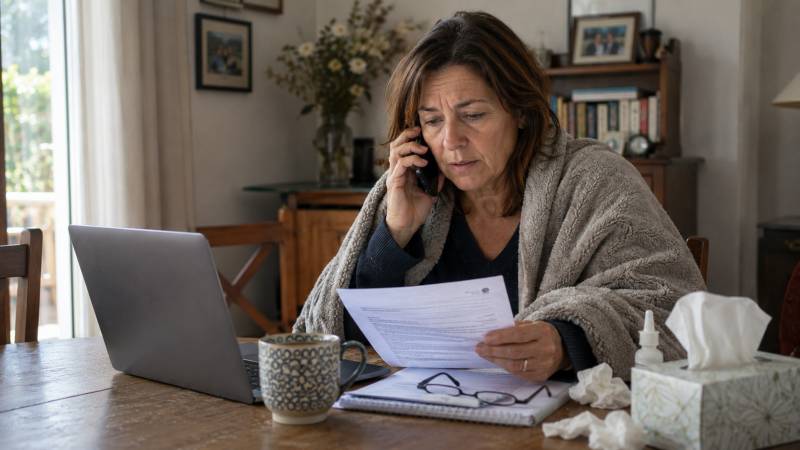
Image: Kampus Production/Pexels
Sign up for the Spanish News Today Editors Roundup Weekly Bulletin and get an email with all the week’s news straight to your inbox
Special offer: Subscribe now for 25% off (36.95 euros for 48 Bulletins)
OR
you can sign up to our FREE weekly roundup!
Read some of our recent bulletins:
Discount Special Offer subscription:
36.95€ for 48 Editor’s Weekly News Roundup bulletins!
Please CLICK THE BUTTON to subscribe.
(List price 3 months 12 Bulletins)
Read more stories from around Spain: