Date Published: 16/01/2026
Murcia maps out major nature restoration plans under EU rules
ARCHIVED ARTICLE -
The Mar Menor, riverbanks and grasslands are among the areas set for environmental recovery
Plans are now underway to decide which natural areas in the
Region of Murcia will be restored under a major European Union environmental programme, with scientists, government technicians and ecologists coming together to shape what happens next.
The overall aim is to restore at least 20% of Europe’s land and sea areas by 2030, with all damaged ecosystems targeted by 2050.
For Murcia, a region already under pressure from a semi-arid climate and
rising temperatures, the plan is a legal requirement under the EU’s Nature Restoration Act, which came into force in August 2024. At the same time, regional authorities see it as a chance to improve the condition of
natural spaces that have suffered from pollution, illegal dumping, fires and long-term human impact.
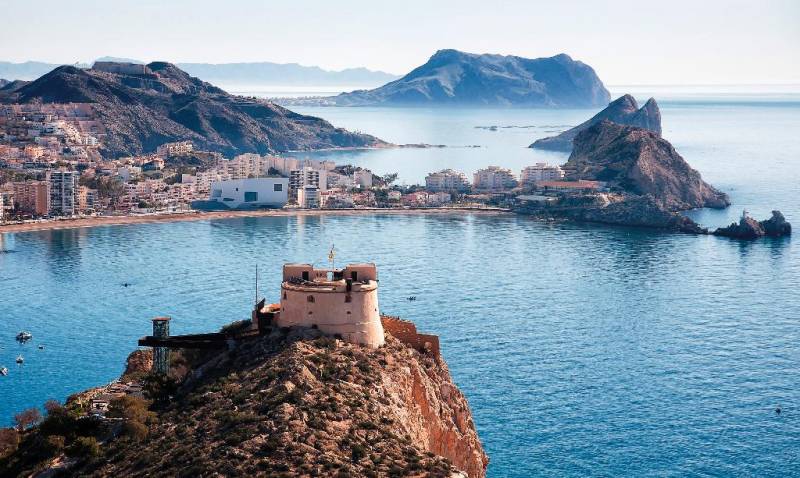
Among the areas already identified are some of Murcia’s most recognisable landscapes. These include the
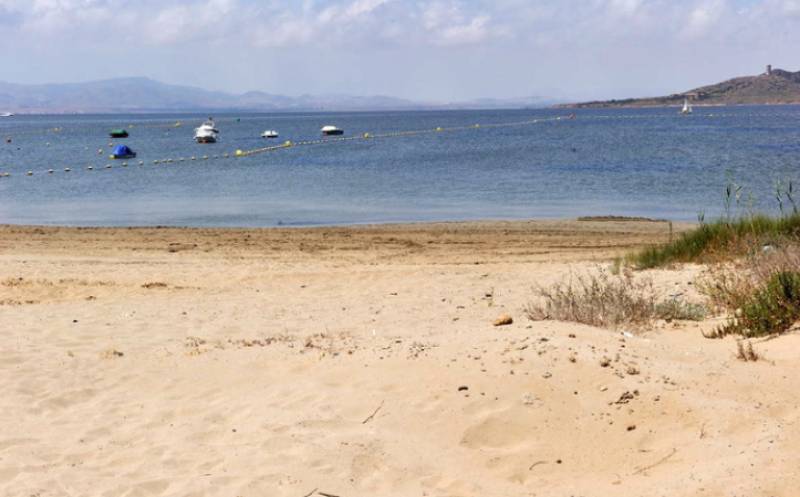
Mar Menor and its surrounding basin, Mediterranean scrubland such as Coto Cuadros, the rare
Cartagena cypress forests in coastal mountain ranges, pastures in the Vega Media between Archena and Beniel, and river habitats along the Segura and Quípar.
Saline steppes like Ajauque and Rambla Salada, juniper zones in Moratalla and Calasparra, and areas linked to protected species such as the spur-thighed tortoise and
the reintroduced Iberian lynx have also been highlighted.
To decide how these areas should be restored, the Ministry for Ecological Transition and the regional Environment Department have launched a consultation process involving universities, research centres and environmental groups. Representatives from the University of Murcia, the Polytechnic University of Cartagena, Cebas-CSIC and Ecologists in Action were among those attending a technical meeting in Murcia this week.
Ideas discussed included reforestation, clearing dead trees, removing invasive plant species and reducing pressure on sensitive areas such as the Mar Menor basin by limiting fertiliser use. Other proposals ranged from restoring dry riverbeds and managing farmland to support steppe birds, to protecting Mediterranean beaches and marine life by controlling anchoring near Barón and Perdiguera islands.
Spain must submit its final proposal for the plan to the European Commission next summer, meaning the decisions made now will shape how Murcia’s natural environment is protected and restored for decades to come.
Image: via Wikimedia Commons
article_detail

|