To be listed on the haciendadelalamo TODAY MAP please call +34 968 018 268.
PROPERTY SEARCH
PROPERTY SEARCH
article_detail
Date Published: 17/07/2026
Food prices across Europe are set to rise again, and this summer's extreme heat is a big part of the reason why
War in the Middle East and record temperatures are pushing costs back up, with some forecasts warning of increases of up to 9% by 2027
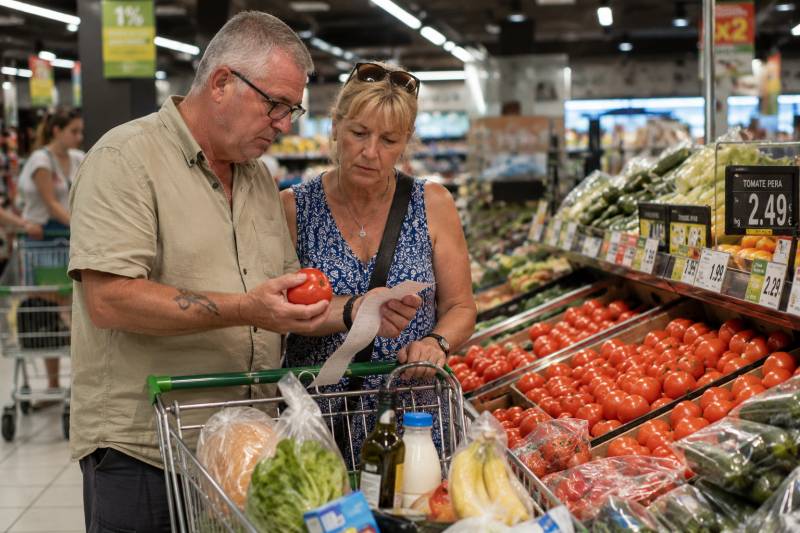
After a period of relative calm following the brutal inflation crisis of 2022 and 2023, when food prices rose by more than 15% at their peak, economists are warning that the weekly shop is about to get noticeably more expensive again. Two factors are driving the concern: the war in Iran and the blockade of the Strait of Hormuz, and this summer's extreme heat. Of the two, it's the weather that worries economists more.
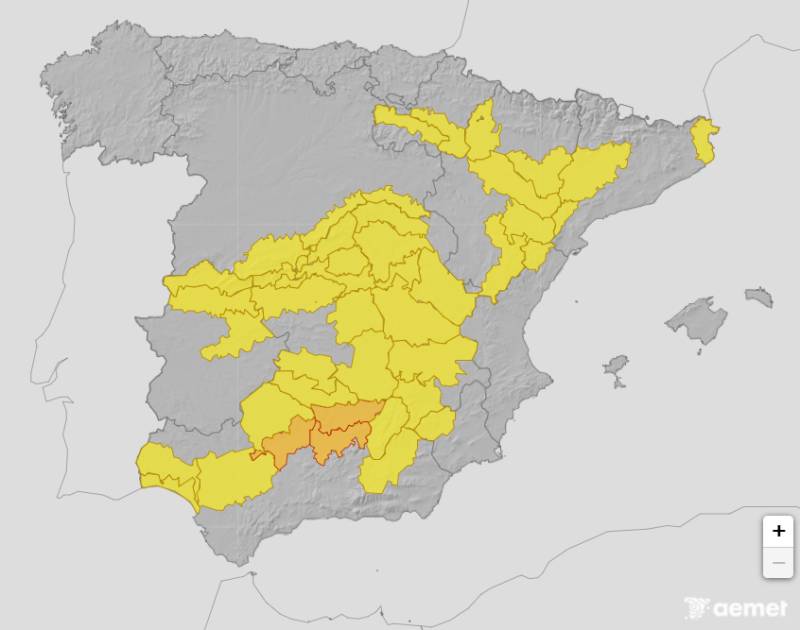
Oxford Economics, in a report published this week, warns that the heat waves recorded across Europe this summer "will have a more intense upward impact" on food prices than the war itself. A potential El Niño event on top of that could add a further percentage point to food inflation in 2027. The consultancy has raised its previous estimates and now anticipates a rise in the average cost of a shopping basket of around 3%.
The conflict in Iran has added its own pressures, pushing up fertiliser and energy costs across the food production chain. Oxford Economics calculates that rising production costs, covering energy, processing and packaging, will add between 0.5 and 0.7 percentage points to food inflation next year. That said, the fertiliser shortage has so far been less severe than feared. Some fertiliser types have returned to pre-conflict price levels, though others remain elevated, and the overall impact on European farmers is still working its way through the system.
What concerns analysts at Rabobank is the broader energy picture. The Dutch bank expects oil and gas prices to stay high well into 2028, even if a short-term resolution is reached in the region. Rising energy and packaging costs are already squeezing food manufacturers' margins, and those pressures will eventually reach the supermarket shelf. "While risk hedging can delay the impact, these higher input costs will ultimately trigger a new cycle of food price inflation of between 5% and 9% across Europe by 2027," analysts María Castroviejo and Sebastiaan Schreijen wrote in a recent report.
There are also early warning signs already visible in the supply chain, with expectations of higher selling prices already being reported in food production, retail distribution and food service since the conflict began.
The European Central Bank's projections are more measured, forecasting food inflation of 2.6% for 2026, rising to an average of 3.5% next year and peaking at around 3.7% in the second quarter of 2027.
For now, a few factors are keeping a lid on things. A strong cereal harvest in 2025 has provided some buffer against price rises, and olive oil, cocoa, coffee and raw milk prices have all stabilised after spiking last year. Food inflation in the eurozone stood at just 1.2% in June, the lowest in five years.
The concern is that these cushions won't last indefinitely, and lower-income households, which spend a higher proportion of their income on food, will feel any sustained increases most sharply.


















 After a period of relative calm following the brutal inflation crisis of 2022 and 2023, when food prices rose by more than 15% at their peak, economists are warning that the weekly shop is about to get noticeably more expensive again. Two factors are driving the concern: the war in Iran and the blockade of the Strait of Hormuz, and this summer's extreme heat. Of the two, it's the weather that worries economists more.