








PROPERTY SEARCH

Clocks go forward in Spain but energy savings remain minimal
Experts say the twice-yearly time change has far less impact on bills than many people think
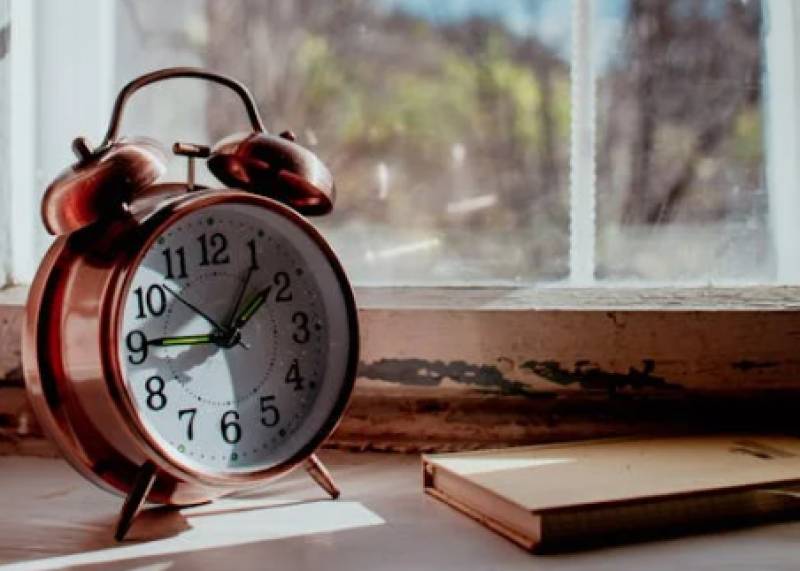 Spain has officially moved into summer time after clocks went forward in the early hours of Sunday March 29, but the long-standing justification for the change is increasingly being called into question.
In the early hours, clocks jumped from 2.00am to 3.00am, meaning the day was just 23 hours long. In the Canary Islands, the change took place at 1.00am, moving straight to 2.00am. The shift, which takes place every spring, is designed to make better use of longer daylight hours as the seasons change.
The idea behind daylight saving time has always been simple: use natural light more efficiently and reduce energy consumption. But in reality, the savings appear to be far smaller than many expect.
Estimates from the Institute for Energy Diversification and Saving (IDAE) once suggested households could cut lighting costs by around 5%, or roughly €6 a year. However, more recent assessments paint a different picture. The government now describes these savings as “marginal”, largely due to modern energy-efficient appliances and widespread use of LED lighting.
The Spanish Consumers and Users Organization (OCU) goes even further, suggesting savings amount to just €0.30 per hour in the home. As one summary puts it, “the most frequently repeated idea is that the time change has a positive impact, but it doesn’t have as much as our planet needs.”
There are also trade-offs to consider. While lighting costs may fall slightly, this can be offset by increased use of air conditioning during the hotter summer months, particularly in June, July and August.
Despite ongoing debate, Spain continues to follow the twice-yearly clock change, a system that has been in place across Europe for decades. The practice itself dates back even further, first introduced in 1918 as a wartime energy-saving measure.
Spain’s current time zone has its own historical roots. In 1940, the country shifted its clocks forward to align with Germany, a decision that remains in place today. This means Spain is still one hour ahead of countries like Portugal and the United Kingdom, despite sharing a similar geographical position.
Although the European Parliament proposed ending seasonal clock changes in 2018, no agreement has yet been reached among member states on whether to keep summer or winter time permanently.
For now, the clocks will continue to change twice a year. But with limited financial savings and growing questions around health and wellbeing, the debate looks set to continue long after this weekend’s lost hour of sleep.
Image: Ruslan Sikunov/Pexels
Sign up for the Spanish News Today Editors Roundup Weekly Bulletin and get an email with all the week’s news straight to your inbox
Special offer: Subscribe now for 25% off (36.95 euros for 48 Bulletins)
OR
you can sign up to our FREE weekly roundup!
Read some of our recent bulletins:
Discount Special Offer subscription:
36.95€ for 48 Editor’s Weekly News Roundup bulletins!
Please CLICK THE BUTTON to subscribe.
(List price 3 months 12 Bulletins)
Read more stories from around Spain: